

What is the sales tax on a car in Florida if you’re buying a new or used vehicle this year? Florida charges a flat 6% state sales tax on motor vehicle purchases, and most of the state’s 67 counties add a local discretionary surtax on top of that. The key detail many buyers miss: the county surtax only applies to the first $5,000 of the purchase price, not the entire sale. This caps the extra local tax at a small, fixed dollar amount no matter how expensive the car is.
This article breaks down exactly how the tax gets calculated, what fees factor in, and how trade-ins and rebates change your final bill.
What is the sales tax on a car in Florida? The state charges 6% on the vehicle price, and most counties add a discretionary surtax of 0.5% to 2%, but only on the first $5,000 of the purchase price. Combined rates typically run 6% to 7.5%.
The Two Parts of Florida Car Sales Tax
What is the sales tax on a car in Florida actually made of? It comes from two separate pieces:
- State sales tax: A flat 6% rate applied to the full taxable purchase price, statewide.
- County discretionary surtax: An additional local rate, ranging from 0% to 2% depending on the county, applied only to the first $5,000 of the sale price.
Combined, most buyers pay between 6% and 7.5% total, depending on their home county.
Why the County Surtax Only Applies to $5,000
This is the detail that trips up most Florida car buyers. What is the sales tax on a car in Florida once the price passes $5,000? The state portion keeps applying to the full amount, but the county surtax stops accruing once the taxable base hits $5,000.
For example, a $30,000 car in a county with a 1.5% surtax pays:
- 6% state tax on the full $30,000
- 1.5% county surtax on only $5,000, not $30,000
This cap means the county surtax never adds more than $100 to your bill, even at the highest 2% county rate, regardless of how expensive the vehicle is.
Must Read: What Is a Sales Tax Bond? Who Needs, Why States Require – Breakdown
Florida Car Sales Tax by County
County surtax rates vary and change periodically. Here’s a snapshot of combined rates in several populous Florida counties:
| County | State Rate | County Surtax | Combined Rate |
|---|---|---|---|
| Miami-Dade | 6% | 1% | 7% |
| Broward | 6% | 1% | 7% |
| Palm Beach | 6% | 0.5% | 6.5% |
| Hillsborough | 6% | 1.5% | 7.5% |
| Duval | 6% | 1.5% | 7.5% |
| Orange | 6% | 0.5% | 6.5% |
| Pinellas | 6% | 1% | 7% |
| Hamilton | 6% | 2% | 8% |
| Citrus | 6% | 0% | 6% |
| Collier | 6% | 0% | 6% |
Remember, the county figure only applies to the first $5,000 of the taxable price, so the effective combined rate on the full purchase drops below these headline numbers as the price climbs.
What Is the Sales Tax on a Car in Florida Based On
The tax applies to the vehicle’s taxable purchase price, which includes:
- The negotiated price of the vehicle
- Dealer documentation and preparation fees
- Any accessories or add-ons included in the sale
- Extended warranties bundled into the sale price, in some cases
It does not include:
- State-mandated titling, registration, or license plate fees
- Lien recording fees
- Separately itemized government charges unrelated to the sale price itself
How Trade-Ins Affect Florida Car Sales Tax
Florida allows a trade-in credit that directly reduces your taxable base. If you trade in a vehicle as part of the same transaction with a registered dealer, the state subtracts your trade-in’s value from the purchase price before calculating tax.
- Start with the vehicle’s negotiated price.
- Add any taxable fees, like dealer documentation charges.
- Subtract your trade-in allowance.
- Apply the 6% state tax to that final taxable amount.
- Apply your county surtax rate to whichever is smaller: the taxable amount or $5,000.
This step often produces meaningful savings, since Florida taxes the net price after the trade-in, not the sticker price of the new vehicle.
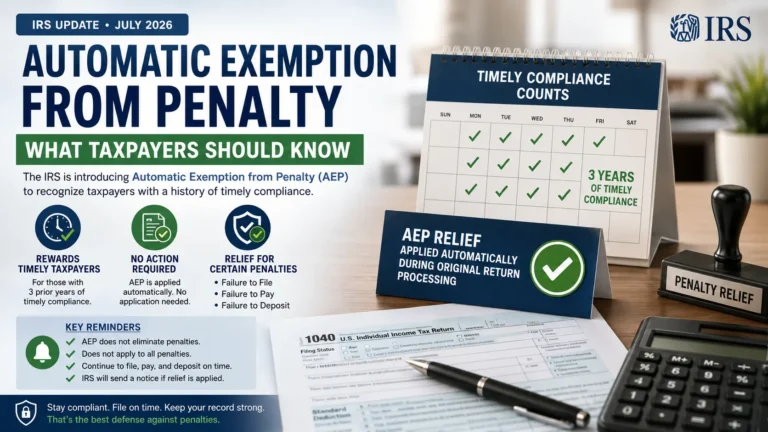
Also Read: Automatic Exemption from Penalty: IRS Introduces New Relief for Eligible Taxpayers
Do Manufacturer Rebates Reduce the Taxable Price?
No. What is the sales tax on a car in Florida when a manufacturer rebate applies? Florida taxes the full negotiated price before the rebate is subtracted. Unlike a trade-in, a manufacturer rebate is treated as a form of payment toward the purchase, not a reduction of the taxable sale price. This is a common point of confusion, since some other states do allow rebates to lower the taxable amount.
Sample Sales Tax Calculation
Here’s a worked example for a $25,000 used car purchased in Hillsborough County, with a 1.5% surtax and no trade-in:
- State tax: $25,000 x 6% = $1,500
- County surtax: $5,000 x 1.5% = $75 (capped at the first $5,000)
- Total sales tax: $1,575
Compare that to Citrus County, which has no discretionary surtax:
- State tax: $25,000 x 6% = $1,500
- County surtax: $0
- Total sales tax: $1,500
The difference between counties on the same purchase price stays small, since the surtax cap limits its impact regardless of the vehicle’s total cost.
Which County’s Rate Applies
What is the sales tax on a car in Florida if you buy from a dealer in one county but live in another? The surtax rate follows the buyer’s home address on the vehicle’s registration or title, not the dealership’s location. Buying a car in a low-surtax county won’t reduce your tax bill if you register the vehicle at an address in a higher-surtax county.
Private Party Car Sales in Florida
Buying from a private seller, rather than a licensed dealer, still triggers Florida sales tax. Key differences include:
- No trade-in credit applies, since Florida limits that credit to transactions involving a registered dealer.
- The buyer typically pays the tax directly to the county tax collector’s office when titling the vehicle, rather than through the seller.
- The same 6% state rate and applicable county surtax cap still apply to the sale price.
Exemptions From Florida Car Sales Tax
Certain transactions qualify for a full or partial exemption from Florida’s motor vehicle sales tax, including:
- Vehicles transferred between spouses or as part of a gift with no monetary exchange, in specific documented circumstances
- Vehicles purchased by qualifying government agencies or certain nonprofit organizations
- Vehicles purchased by a nonresident who removes the vehicle from Florida within a set timeframe, subject to specific documentation requirements
- Certain vehicles purchased for resale by a licensed dealer
Buyers claiming an exemption should confirm current documentation requirements with the Florida Department of Revenue or their county tax collector, since exemption rules require specific paperwork to apply correctly.
Additional Costs Beyond Sales Tax
Sales tax is only one part of the total cost of registering a vehicle in Florida. Buyers should also budget for:
- Title fees
- License plate and registration fees
- Local county fees tied to titling and registration
- Lien recording fees, if financing the vehicle
These charges are separate from sales tax and get calculated using flat fee schedules rather than a percentage of the purchase price.
Final Words
What is the sales tax on a car in Florida? Expect a flat 6% state tax on the full purchase price, plus a county discretionary surtax of up to 2% that applies only to the first $5,000 of the sale. Combined rates land between 6% and 8% depending on your home county, with the county portion capped at a small fixed dollar amount no matter how expensive the vehicle is.
Trade-ins reduce your taxable base and lower your total bill, while manufacturer rebates do not. Confirming your exact combined rate before you buy, based on your home county, keeps your total cost predictable and avoids surprises at the tag office.
Must Read: IRS Urges Taxpayers to Get Free Identity Protection PIN to Prevent Tax Identity Theft
Frequently Asked Questions
What is the sales tax on a car in Florida if I buy from a private seller?
The same 6% state rate applies, plus your county’s discretionary surtax on the first $5,000 of the sale price. Private sales don’t qualify for a trade-in credit, and buyers typically pay the tax directly at the county tax collector’s office during titling.
Does Florida charge sales tax on used cars the same as new cars?
Yes. Florida applies the same 6% state rate and county surtax rules to both new and used vehicle purchases. There’s no separate reduced rate for used cars, and the same $5,000 surtax cap applies regardless of whether the vehicle is new or pre-owned.
How does a trade-in lower the sales tax on a car in Florida?
Florida subtracts your trade-in’s value from the vehicle’s price before calculating tax, but only when trading in through a registered dealer as part of the same transaction. This lowers your taxable base, reducing both the state tax and the capped county surtax owed.
Is Florida car sales tax based on where I live or where I buy the car?
The county discretionary surtax follows your registered home address, not the dealership’s location. Buying in a lower-surtax county won’t reduce your bill if you register the vehicle using an address in a county with a higher surtax rate.
Do I pay sales tax again if I move my car to Florida from another state?
Possibly. Florida charges a use tax on vehicles brought in from another state, though it often credits sales tax already paid elsewhere. If your prior state’s tax rate was lower than Florida’s, you may owe the difference upon registering the vehicle.
Does Florida tax dealer documentation fees on a car purchase?
Yes. Dealer documentation and preparation fees count as part of the taxable purchase price in Florida. Both the 6% state tax and the applicable county surtax apply to these fees, since they’re included in the vehicle’s total taxable sale price.
Leave a Comment