


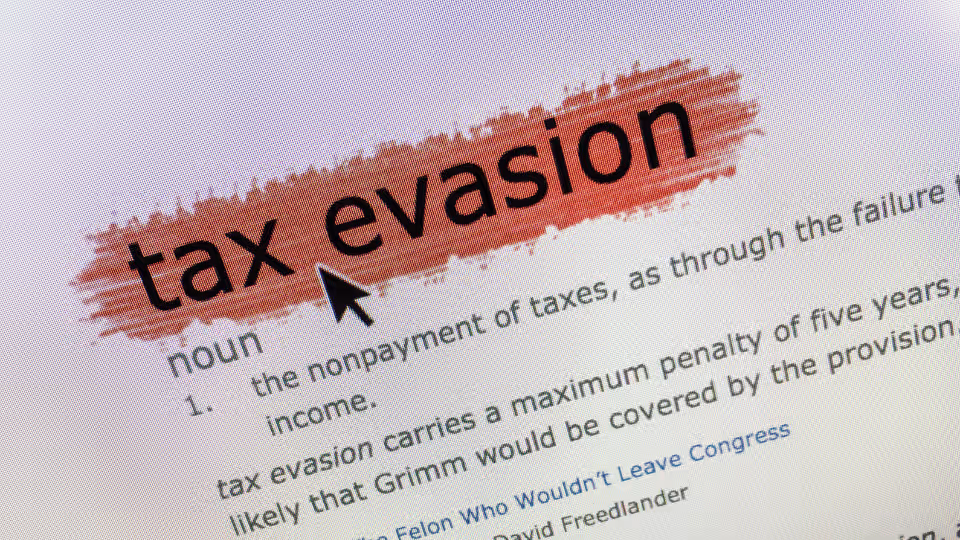
Tax evasion is a serious tax offense that involves intentionally using illegal methods to avoid paying taxes owed to the government. It can include hiding income, reporting false expenses, creating fake documents, concealing assets, or deliberately failing to report taxable earnings. Individuals, business owners, corporations, and tax professionals can all become involved in tax evasion.
Understanding what is tax evasion is important because not every tax mistake or unpaid tax bill is a crime. A taxpayer might make an honest reporting error, misunderstand a tax rule, or struggle to pay a tax bill. Criminal tax evasion generally involves a deliberate attempt to deceive the government or defeat a known tax obligation.
This article explains U.S. federal tax evasion, how it works, common examples, the difference between tax evasion and tax avoidance, IRS investigations, and the penalties a person may face.
Must Read: How to Start a Tax Preparation Business
What Is Tax Evasion?
Tax evasion is the intentional violation of tax laws to reduce or avoid a tax liability. A person commits tax evasion when they knowingly use dishonest methods to hide taxable income, falsify financial information, claim deductions they are not entitled to, or prevent the IRS from collecting taxes legally owed.
The main feature of tax evasion is intent. An incorrect tax return does not automatically prove criminal conduct. The government generally needs evidence that the taxpayer acted willfully and took steps to evade a tax obligation.
For example, a business owner who accidentally enters an incorrect income figure may have made a reporting mistake. However, a business owner who deliberately maintains two sets of accounting records to hide cash sales may be engaging in tax evasion.
In the United States, federal tax evasion is addressed under Section 7201 of the Internal Revenue Code. A person who willfully attempts to evade or defeat a federal tax or its payment can face felony charges.
How Does Tax Evasion Work?
Tax evasion usually involves deliberate actions that make a person’s financial activities appear different from reality. The purpose is to make taxable income, assets, transactions, or tax obligations harder for tax authorities to identify.
A person might attempt to evade taxes by:
- Hiding part of their income from the IRS.
- Reporting personal expenses as business expenses.
- Creating false invoices to support deductions.
- Keeping business transactions out of official accounting records.
- Using another person’s identity or financial accounts to conceal income.
- Hiding money or assets in undisclosed accounts.
- Submitting a tax return with knowingly false information.
- Destroying or altering financial records to hide taxable transactions.
These actions can involve individual income tax, business income tax, employment taxes, excise taxes, and other federal tax obligations.
Tax evasion can also happen after a tax return has been filed. For example, a person who deliberately transfers assets to conceal them from IRS collection efforts may face legal consequences if the conduct meets the requirements of a tax offense.
Common Examples of Tax Evasion
Tax evasion can take different forms. The following examples explain common methods and why they may violate U.S. tax law.
1. Underreporting Income
Underreporting income means intentionally reporting less income than a person actually earned.
For example, a self-employed contractor earns $120,000 during the tax year but reports only $80,000 on the federal tax return. The contractor deliberately leaves out $40,000 to reduce the tax bill.
This can become tax evasion when the omission is intentional and forms part of an effort to avoid tax.
Income can come from several sources, including:
- Salaries and wages
- Freelance and consulting work
- Business profits
- Rental properties
- Investment income
- Interest and dividends
- Cash payments
- Certain digital asset transactions
Receiving income in cash does not make it tax-free. Taxpayers must report taxable income even when they do not receive a Form W-2 or Form 1099.
2. Hiding Cash Sales
Some businesses receive payments in cash, including restaurants, salons, repair shops, retail stores, and service providers.
A business owner might intentionally leave some cash sales out of the accounting system and report only a portion of the business’s actual revenue.
For example, a restaurant receives $500,000 in total sales but records only $420,000 in its books. The owner deliberately excludes $80,000 to reduce reported business income.
Cash transactions are not illegal by themselves. The problem arises when a business deliberately conceals taxable revenue or creates false records.
3. Claiming False Business Expenses
Business owners can generally deduct qualifying ordinary and necessary business expenses under applicable tax rules. However, they cannot legally deduct personal purchases simply to reduce taxable business income.
Examples of potentially fraudulent deductions include:
- Claiming personal vacations as business travel.
- Reporting household purchases as business supplies.
- Creating fake vendor invoices.
- Claiming expenses for services that were never provided.
- Reporting personal vehicle costs as entirely business-related when they are not.
- Inflating actual expenses to increase deductions.
A genuine expense that is incorrectly classified may be a mistake. Knowingly creating or claiming expenses that never existed can be evidence of tax fraud.
4. Using Fake Invoices or Receipts
Some taxpayers create false documents to make it appear that they paid for business services, equipment, supplies, or other deductible expenses.
For example, a business owner creates invoices from a fictitious supplier and records those amounts as business expenses. The documents make the business appear less profitable than it really is.
False invoices, altered receipts, and fabricated accounting records can become evidence of intentional tax evasion.
5. Concealing Offshore Income or Assets
Holding money in a foreign bank account is not automatically illegal. U.S. taxpayers may have legitimate overseas investments, bank accounts, and business interests.
However, U.S. citizens and certain other taxpayers may have federal tax and information-reporting obligations involving foreign financial accounts and assets.
Tax evasion can occur when someone deliberately hides foreign income, uses undisclosed accounts to conceal taxable earnings, or submits false information to avoid reporting requirements.
Depending on the facts, foreign account violations can also involve separate reporting penalties and criminal offenses.
6. Paying Employees Off the Books
A business may pay workers without properly recording wages or meeting employment tax obligations.
For example, an employer pays employees in cash but does not report the wages, withhold required payroll taxes, or deposit employment taxes with the government.
This conduct can create problems involving income tax withholding, Social Security and Medicare taxes, employment tax returns, and worker classification.
Employers generally cannot avoid payroll tax obligations simply by paying employees in cash.
7. Filing a False Tax Return
Submitting a tax return with knowingly false information can be a form of tax fraud.
Examples include:
- Reporting income that was never earned to claim refundable credits.
- Claiming dependents who do not qualify.
- Inventing charitable donations.
- Falsifying business losses.
- Claiming education or other tax credits without meeting the requirements.
- Deliberately omitting taxable income.
A false return can lead to civil penalties, criminal investigation, or both, depending on the circumstances.
8. Hiding Assets to Avoid Tax Collection
Tax evasion is not limited to hiding income before filing a return. It can also involve deliberate efforts to prevent the IRS from collecting a tax debt.
For example, a taxpayer who knowingly transfers property to another person through a sham transaction to conceal ownership may face legal consequences.
A legitimate sale, gift, or transfer is not automatically tax evasion. The purpose, documentation, timing, and surrounding facts matter.
Tax Evasion vs. Tax Avoidance: What Is the Difference?
Tax evasion and tax avoidance are not the same. Tax avoidance generally involves using legal provisions to reduce tax liability. Tax evasion involves illegal conduct, such as deception, concealment, or knowingly false reporting.
| Comparison | Tax Evasion | Tax Avoidance |
|---|---|---|
| Meaning | Illegal attempt to avoid taxes | Legal reduction of tax liability |
| Method | Hiding income or falsifying records | Using permitted deductions and credits |
| Intent | Deliberate violation of tax obligations | Lawful tax planning |
| Reporting | May involve false or incomplete information | Requires truthful reporting |
| Legal status | Illegal | Generally legal |
| Consequences | May include civil penalties and criminal charges | No penalty when properly used |
Examples of Tax Avoidance
The following are examples of lawful tax planning when the taxpayer meets the relevant requirements:
- Claiming eligible deductions.
- Contributing to a qualifying retirement account.
- Claiming tax credits for which the taxpayer qualifies.
- Deducting legitimate business expenses.
- Using eligible depreciation deductions.
- Choosing a suitable business structure.
- Planning the timing of income and expenses within the law.
Examples of Tax Evasion
The following actions can amount to tax evasion when done deliberately:
- Hiding cash income.
- Creating fake business expenses.
- Claiming deductions for purchases that never happened.
- Reporting false wages or business revenue.
- Concealing taxable foreign income.
- Maintaining false accounting records.
- Knowingly submitting fraudulent tax returns.
The key distinction is honesty. Legal tax planning uses tax rules as written. Tax evasion relies on deception or concealment.
Must Read: How Long to Keep Tax Records? IRS Rules for 3, 6, 7 Years and More
Is Tax Evasion a Crime in the United States?
Yes. Federal tax evasion can be prosecuted as a felony under Section 7201 of the Internal Revenue Code.
The government generally must establish three key elements:
- A tax deficiency: The taxpayer owed more tax than was reported or paid.
- An affirmative act of evasion: The taxpayer took an action intended to evade or defeat the tax or its payment.
- Willfulness: The taxpayer acted knowingly and intentionally, rather than through an innocent mistake.
For a criminal conviction, the government must prove the required elements beyond a reasonable doubt.
An affirmative act may include filing a false return, hiding assets, keeping false records, or making misleading statements to tax authorities. The exact evidence and legal analysis depend on the case.
Not every unpaid tax bill, late return, or incorrect deduction qualifies as criminal tax evasion. The facts and the taxpayer’s intent are important.

What Is the Difference Between Tax Evasion and Tax Fraud?
Tax evasion and tax fraud are closely related terms, but they are not always interchangeable.
Tax fraud generally refers to intentional deception involving a tax obligation. It can include submitting false information, concealing income, fabricating deductions, or using fraudulent documents.
Tax evasion is a specific form of illegal conduct intended to defeat or avoid a tax liability or its payment.
For example, a taxpayer who knowingly creates false receipts to claim deductions may commit tax fraud. If the conduct is part of a deliberate attempt to evade tax, it may also support a tax evasion charge.
Tax fraud can lead to civil penalties, criminal prosecution, or both. The applicable law depends on the conduct involved.
What Are the Penalties for Tax Evasion?
Tax evasion can result in serious financial and criminal consequences. The IRS may assess additional tax, interest, and civil penalties. The Department of Justice may also prosecute qualifying cases.
The exact consequences depend on the type of tax, the amount involved, the taxpayer’s conduct, and the applicable federal or state laws.
1. Criminal Fines
Under 26 U.S.C. Section 7201, a person convicted of attempting to evade or defeat tax may face a fine.
The statutory text lists a maximum fine of $100,000 for an individual and $500,000 for a corporation. Federal general fine provisions can raise the applicable maximum for individuals to $250,000 in many cases. Other rules and circumstances can affect the amount.
2. Prison Sentence
A conviction for federal tax evasion under Section 7201 can result in imprisonment for up to five years.
The actual sentence depends on the facts, the tax loss, the defendant’s conduct, and federal sentencing rules. A maximum sentence is not an automatic sentence in every case.
3. Civil Fraud Penalty
The IRS may impose a civil fraud penalty when it establishes that a taxpayer’s underpayment resulted from fraud.
Under Section 6663 of the Internal Revenue Code, the civil fraud penalty is generally 75% of the portion of an underpayment attributable to fraud.
This penalty is separate from the underlying tax owed and any applicable interest.
4. Interest on Unpaid Taxes
A taxpayer who owes additional tax may also owe interest. Interest generally accrues on unpaid tax from the applicable due date until the balance is paid.
The amount depends on the unpaid balance, applicable interest rates, and the period involved.
5. Additional Tax Penalties
Other penalties may apply depending on the conduct. These can include penalties for:
- Filing an inaccurate tax return.
- Failing to file a required return.
- Failing to pay taxes on time.
- Failing to deposit employment taxes.
- Filing false information returns.
- Violating certain foreign financial reporting requirements.
6. Professional and Business Consequences
A tax evasion conviction can affect a person’s professional life and business operations.
Possible consequences include:
- Loss of professional licenses or credentials.
- Damage to business reputation.
- Difficulty obtaining financing.
- Loss of certain business opportunities.
- Restrictions on government contracts.
- Additional legal and compliance costs.
A business may also face separate consequences if its owners, employees, or officers participate in tax-related crimes.
How Does the IRS Detect Tax Evasion?
The IRS uses information reporting, examinations, data analysis, and criminal investigations to identify possible tax violations.
A discrepancy does not automatically prove fraud. However, unexplained differences or suspicious patterns can lead to questions, an audit, or further investigation.
Common sources of information include:
1. Forms W-2 and 1099
Employers, financial institutions, payment platforms, and other reporting organizations may submit information returns to the IRS.
The IRS can compare reported income with the amounts shown on a taxpayer’s return.
For example, if a taxpayer reports $45,000 in income but information returns show $75,000, the difference may require an explanation.
2. Bank and Financial Records
Financial records may help establish the source and movement of money during an examination or investigation.
Large deposits do not automatically mean tax evasion. The IRS may examine the origin of funds and compare transactions with reported income.
3. Business Accounting Records
The IRS may review sales records, invoices, receipts, bank statements, inventory records, payroll documents, and accounting systems.
Inconsistent records, unexplained cash differences, and fabricated documents can raise concerns.
4. Information From Third Parties
Information may come from business partners, employees, customers, financial institutions, or other sources.
The IRS also has procedures for receiving information about suspected tax violations.
5. Tax Audits and Investigations
An IRS audit may identify errors, omissions, or questionable deductions. If the evidence suggests intentional fraud, the matter may be referred for additional review or criminal investigation.
A routine audit and a criminal investigation are different processes. A tax audit does not automatically mean that the taxpayer is suspected of a crime.
What Are Common Signs of Tax Evasion?
The following behaviors may raise concerns during a tax examination or investigation:
- Reporting income that does not match available information returns.
- Maintaining two sets of business records.
- Creating invoices for transactions that never occurred.
- Repeatedly reporting large unexplained business losses.
- Claiming personal purchases as business expenses.
- Hiding financial accounts or property ownership.
- Destroying records after receiving an IRS notice.
- Making false statements about income or assets.
- Consistently omitting significant sources of income.
These are potential indicators, not automatic proof of tax evasion. The IRS considers the full circumstances and available evidence.
What Should You Do If You Discover a Tax Reporting Mistake?
A mistake on a tax return does not automatically mean that you committed tax evasion. People can make errors because of missing documents, incorrect calculations, misunderstood tax rules, or information provided by another party.
If you discover an error, take steps to correct it rather than ignoring it.
Steps to Consider
- Review the original return: Identify the incorrect income, deduction, credit, or other information.
- Collect supporting documents: Gather Forms W-2 and 1099, receipts, bank statements, invoices, and other relevant records.
- Determine the correct tax amount: Work out how the error affects your tax liability.
- Consider an amended return: Form 1040-X is generally used to correct an individual federal income tax return when an amendment is appropriate.
- Address unpaid tax: If additional tax is due, review payment options and understand the interest and penalties that may apply.
- Seek professional advice: Contact a qualified tax professional or tax attorney if the mistake involves substantial amounts, repeated omissions, false documents, or possible intentional conduct.
If you believe your conduct may have been willful, speak with a tax attorney before contacting investigators or making statements about the matter. Certain cases may involve the IRS Criminal Investigation Voluntary Disclosure Practice, but eligibility and requirements are specific. A voluntary disclosure does not guarantee immunity from prosecution.
How Can Individuals and Businesses Avoid Tax Evasion?
The best way to avoid tax evasion is to report financial information accurately, maintain proper records, and follow applicable tax rules.
Individuals and businesses can use the following practices:
For Individuals
- Report all taxable income.
- Keep Forms W-2, 1099, and other income records.
- Claim only deductions and credits for which you qualify.
- Maintain receipts for expenses that support your return.
- Report applicable foreign income and financial accounts.
- Review your return before submitting it.
- Ask a qualified tax professional about unclear tax rules.
For Business Owners
- Record all sales, including cash transactions.
- Keep accurate accounting records.
- Separate personal and business finances.
- Claim only legitimate business expenses.
- Maintain invoices, receipts, and bank statements.
- Report employee wages correctly.
- Deposit and report payroll taxes on time.
- Review tax returns before signing and filing them.
- Use qualified tax and accounting professionals when needed.
Good recordkeeping helps taxpayers support their reported income and deductions. It also makes it easier to correct mistakes and respond to IRS questions.
Can You Go to Jail for Not Paying Taxes?
Not every person who fails to pay taxes will go to jail. There is an important difference between being unable to pay a tax bill and deliberately trying to evade a tax obligation.
A taxpayer may owe money because of financial hardship, a calculation error, or an unexpected tax liability. These situations can lead to collection activity, penalties, and interest, but they do not automatically establish criminal tax evasion.
However, deliberately hiding income, submitting false returns, concealing assets, or taking other willful steps to defeat tax collection can lead to criminal charges.
If you cannot pay your tax bill, consider contacting the IRS about payment arrangements or other available relief. Ignoring the debt or concealing assets can make the situation worse.
Tax Evasion by Businesses and Corporations
Tax evasion is not limited to individuals. Businesses and corporations can also violate federal tax laws through intentional misreporting or concealment.
Common business-related examples include:
- Underreporting sales revenue.
- Keeping cash transactions outside official records.
- Claiming fictitious expenses.
- Falsifying payroll information.
- Failing to report taxable business income.
- Diverting company funds to conceal income.
- Knowingly filing inaccurate corporate tax returns.
- Withholding employment taxes from employees but deliberately failing to account for or pay them over.
A corporation may face financial penalties, while individuals involved in the conduct may also face personal criminal liability if the evidence supports charges.
Business owners should establish clear accounting procedures and review tax filings carefully. A company should not rely on informal cash records or undocumented transactions when preparing tax returns.
Can a Tax Preparer Be Involved in Tax Evasion?
Yes. A tax preparer can face serious consequences for knowingly helping a client evade taxes.
Examples include preparing returns with fabricated deductions, knowingly omitting income, creating false supporting documents, or encouraging clients to claim credits for which they do not qualify.
Taxpayers should review their returns before signing or authorizing electronic filing. Hiring a tax professional does not remove the taxpayer’s responsibility to provide accurate information.
A preparer who makes an honest error is not automatically guilty of tax fraud. Intent, knowledge, and the surrounding facts matter.
Key Facts About Tax Evasion
| Topic | Explanation |
|---|---|
| Meaning | Deliberately using illegal methods to avoid taxes |
| Federal law | 26 U.S.C. Section 7201 |
| Main requirement | Willful conduct and an affirmative attempt to evade or defeat tax |
| Common examples | Hiding income, false deductions, fake invoices, concealed assets |
| Criminal classification | Federal felony under Section 7201 |
| Maximum imprisonment | Up to five years under Section 7201 |
| Civil fraud penalty | Generally 75% of the underpayment attributable to fraud |
| Tax avoidance | Generally legal when tax rules are followed |
| Who can commit it? | Individuals, business owners, corporations, and others |
Frequently Asked Questions About Tax Evasion
What is tax evasion in simple words?
Tax evasion means deliberately breaking tax laws to avoid paying taxes you legally owe. Examples include hiding income, reporting fake expenses, creating false financial records, and concealing assets. It is illegal and can lead to financial penalties or criminal prosecution.
Is tax evasion a felony in the United States?
Yes. Attempting to evade or defeat federal taxes under Section 7201 of the Internal Revenue Code is a felony. A conviction can result in fines, imprisonment for up to five years, and other legal consequences, depending on the case.
What is the difference between tax evasion and tax avoidance?
Tax avoidance uses legal methods, such as qualifying deductions and credits, to reduce tax liability. Tax evasion uses illegal methods, such as hiding income or falsifying records. Tax avoidance is generally permitted, while tax evasion can result in criminal prosecution.
Can you go to jail for accidentally filing an incorrect tax return?
An accidental error does not automatically amount to criminal tax evasion. Criminal prosecution generally requires proof of willful conduct and other legal elements. However, an incorrect return can still result in additional tax, interest, or civil penalties.
What are the most common examples of tax evasion?
Common examples include hiding cash income, underreporting business revenue, claiming fake deductions, creating false invoices, concealing foreign income, and submitting knowingly inaccurate tax returns. These actions may constitute tax evasion when they are part of an intentional effort to avoid taxes.
What should I do if I think I committed tax evasion?
Speak with a qualified tax attorney promptly. Preserve relevant financial records and avoid destroying documents or making misleading statements. An attorney can review the facts, explain potential exposure, and advise on available options, including applicable IRS disclosure procedures.
Final Thoughts
Tax evasion involves more than simply owing money to the IRS. It generally requires deliberate conduct intended to evade a known tax obligation. Hiding income, falsifying deductions, creating false records, and concealing assets can expose individuals and businesses to serious legal consequences.
The safest approach is to report income accurately, claim only legitimate deductions and credits, maintain reliable financial records, and address tax problems promptly. If you discover a reporting error, seek qualified advice and take appropriate steps to correct it.
Tax laws can be complex, and the difference between an honest mistake and intentional tax fraud depends on the facts. A qualified tax professional or tax attorney can help you understand your obligations and respond to a potential tax issue.





Leave a Comment